
Pregnancy & Postpartum Physical Therapy
Support your body through pregnancy, recovery and return to daily life.
Pregnancy and childbirth can bring changes such as pelvic pain, bladder leakage, and core weakness. Pelvic floor physical therapy can help you feel more comfortable during pregnancy and recover confidently after birth, with personalized care in the comfort of your home.
Common Concerns During and After Pregnancy
Pelvic or Low Back Pain
Pain in the pelvis, hips, low back, or tailbone during pregnancy or after giving birth.
Bladder Changes
Leakage with coughing, sneezing, or exercise, a strong urge to urinate, or going to the bathroom more often.
Recovery & Return to Activity
Support for healing, regaining core and pelvic floor strength, and safely returning to exercise, lifting, and daily life.
How Pregnancy and Childbirth Can Affect Your Pelvic Health
Pregnancy and childbirth place significant demands on your body. Hormonal changes, a growing uterus, and changes in posture can affect the pelvic floor, core, and surrounding muscles. After birth, muscles and connective tissues need time to recover and regain strength and coordination. These changes can contribute to symptoms such as pelvic pain, bladder leakage, or a feeling of weakness or heaviness.
How Pelvic Floor Physical Therapy Can Help?
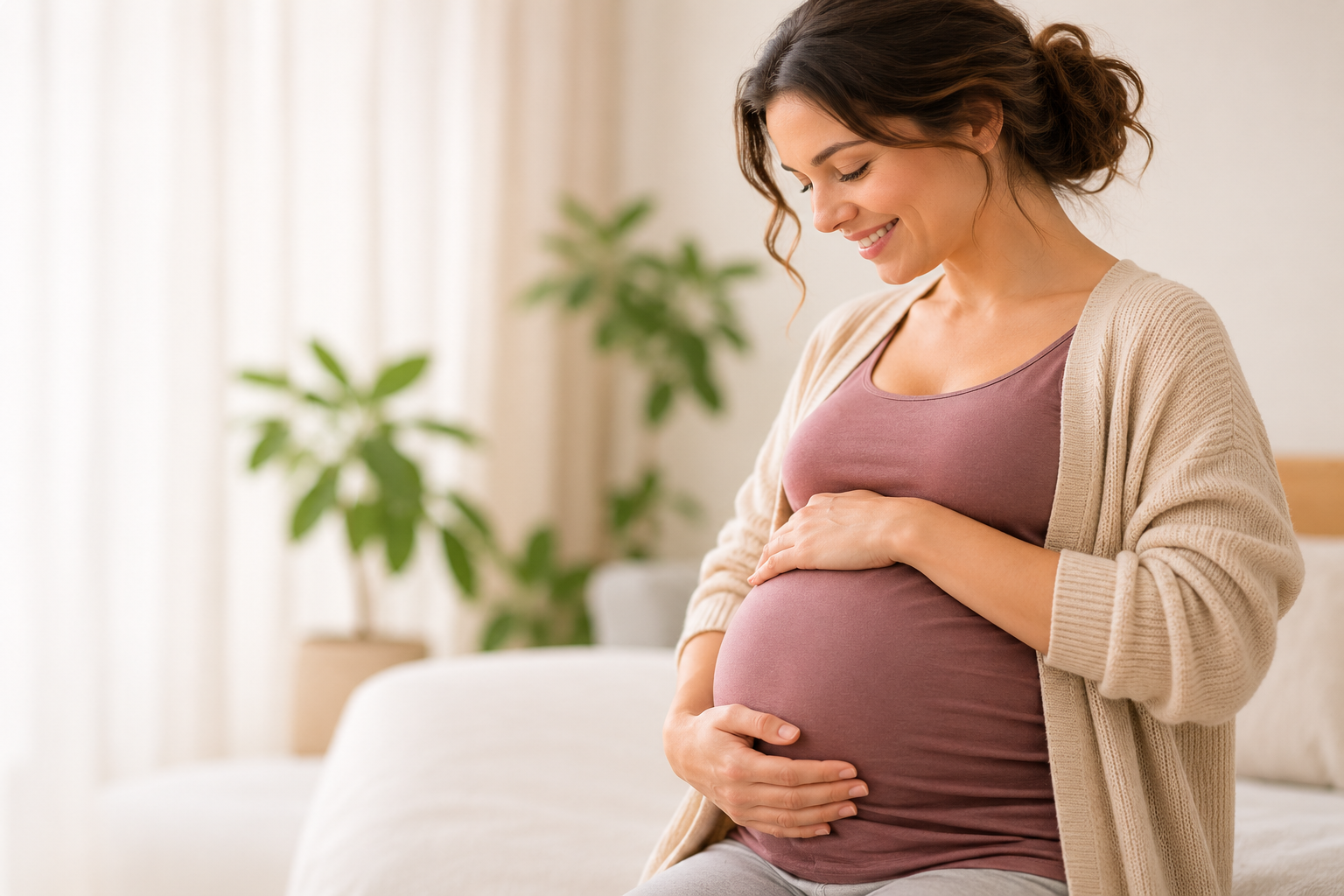
Pelvic floor physical therapy can help address bladder leakage, urgency, and frequent urination by identifying the factors contributing to your symptoms. Treatment may include exercises to improve pelvic floor strength and coordination, bladder training to reduce urgency and frequency, and strategies to manage leakage during activities such as coughing, lifting, or exercising. Together, we'll develop a personalized plan to help you improve bladder control, reduce unwanted interruptions and feel more confident in your daily life.
What To Expect
Discuss Your Goals & Symptoms
We'll talk about your pregnancy or postpartum experience, any symptoms you're having, and what you'd like to improve.
Assess Movement & Function
I'll evaluate your pelvic floor, core, posture, and movement patterns to identify contributing factors and create a plan that's right for you.
Build Your Personalized Plan
Together, we'll develop a practical plan with exercises, education, and strategies to help you feel stronger, recover well, and return to your daily activities.
-
Yes, pelvic floor physical therapy is generally safe during uncomplicated pregnancies. Treatment is adapted to your stage of pregnancy, symptoms, and individual needs. It may include gentle exercises, movement strategies, breathing techniques, and hands-on treatment when appropriate. If you have pregnancy complications or activity restrictions, we'll coordinate with your healthcare provider as needed.
-
Yes. Changes in posture, joint loading, and muscle function during pregnancy can contribute to discomfort in the lower back, hips, and pelvis. Physical therapy can help address these symptoms through targeted exercises, movement modifications, and strategies to make everyday activities more comfortable.
-
You can often begin with gentle movement, breathing exercises, and education soon after giving birth, depending on your recovery and medical circumstances. More involved treatment and examinations are introduced when appropriate. You don't necessarily need to wait six weeks to receive guidance, but your treatment plan will always consider your healing and any recommendations from your healthcare provider.
-
Yes. Bladder leakage after childbirth is common, but it's not something you simply have to live with. Pelvic floor physical therapy can help improve muscle strength and coordination, address bladder habits, and develop strategies to reduce leakage during coughing, sneezing, lifting or exercising.
-
Yes. Returning to exercise after childbirth involves more than simply waiting a certain number of weeks. Physical therapy can help assess your pelvic floor, core strength, movement patterns, and readiness for different activities. Together, we'll develop a gradual plan to help you return to running, lifting, and other exercises while considering your symptoms and recovery.
Questions Before Booking?
Not sure if pelvic floor physical therapy is right for you? I'm happy to discuss your concerns, explain what treatment involves, and answer questions about in-home care, scheduling, pricing, and insurance.